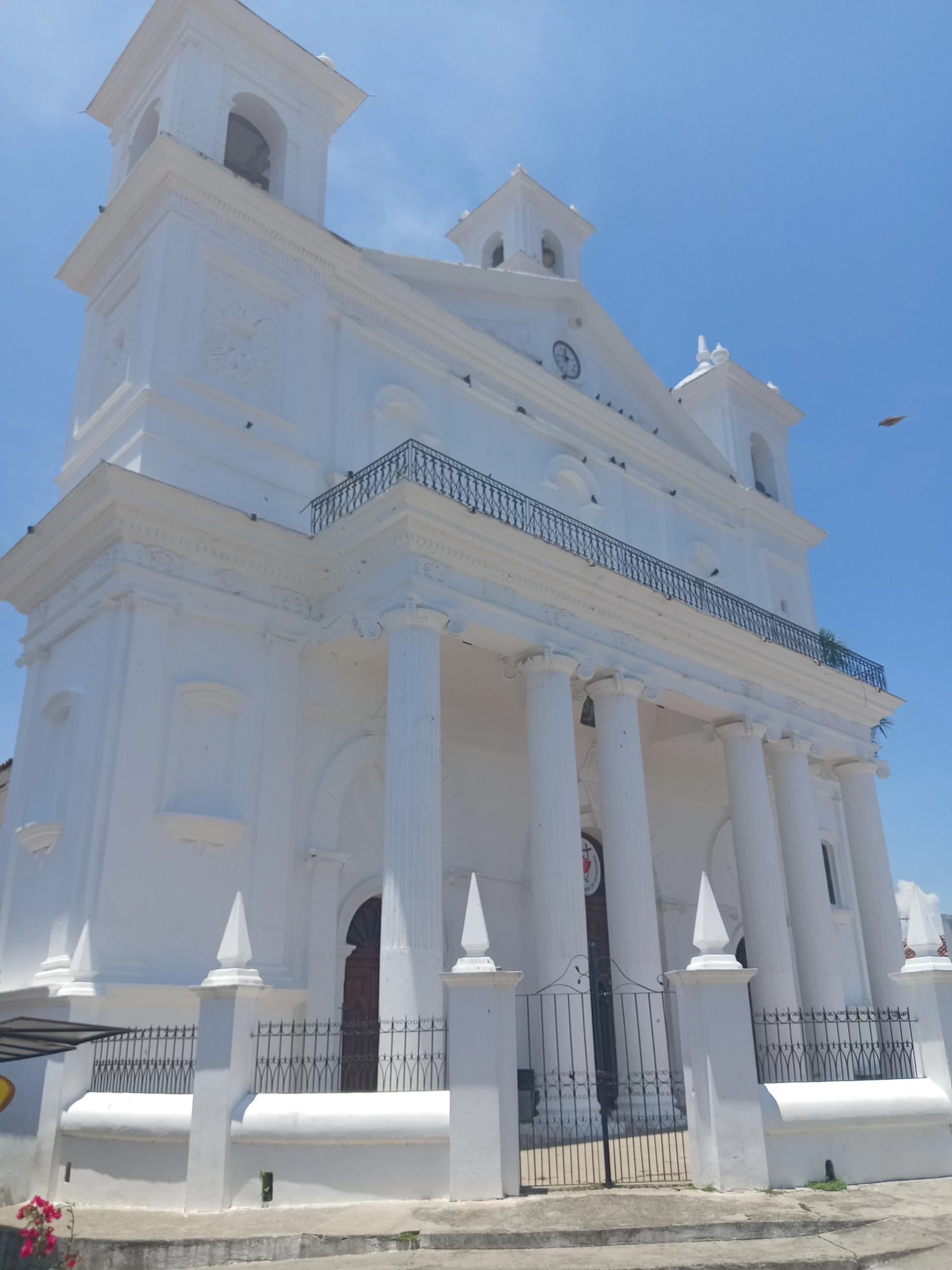
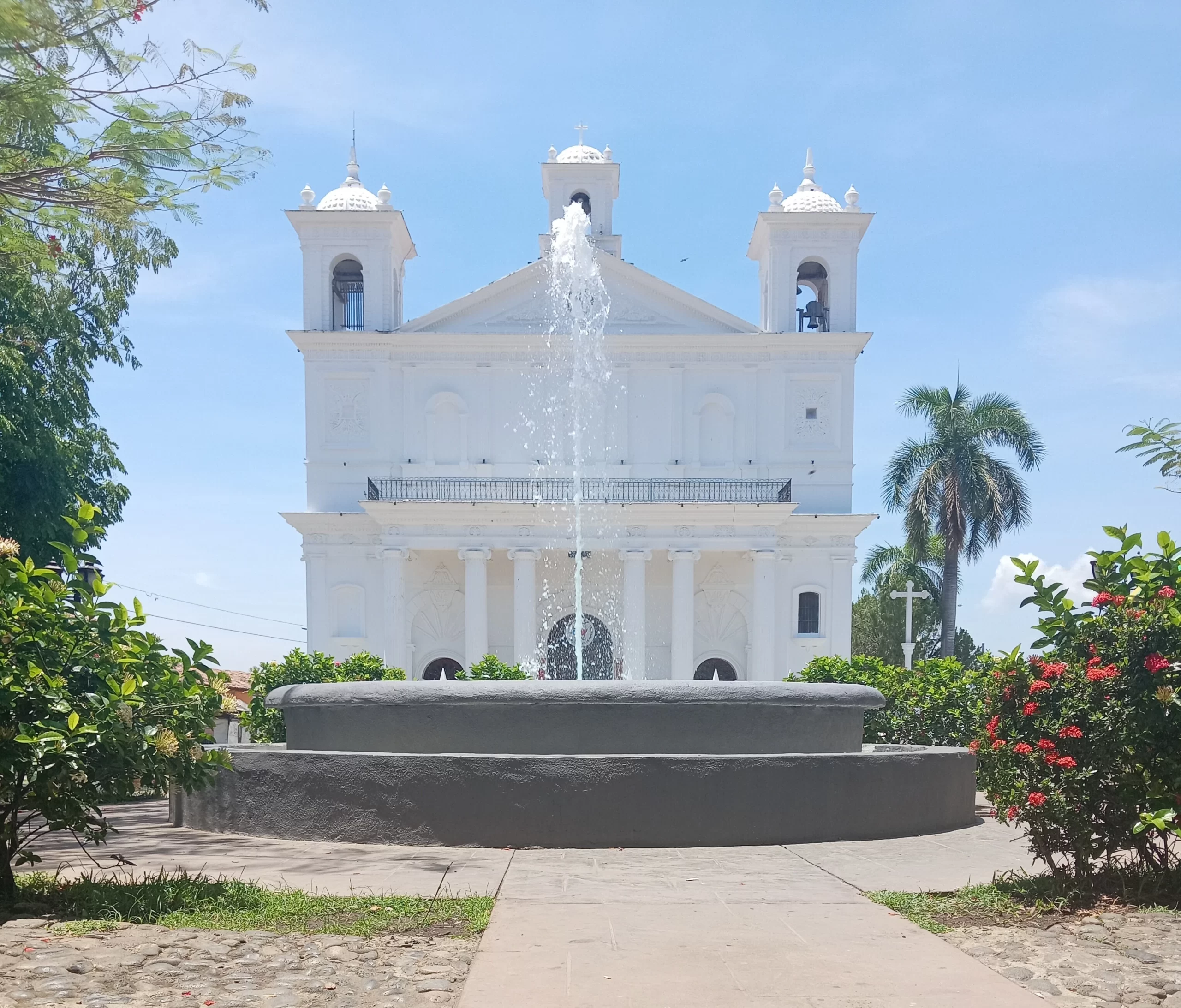
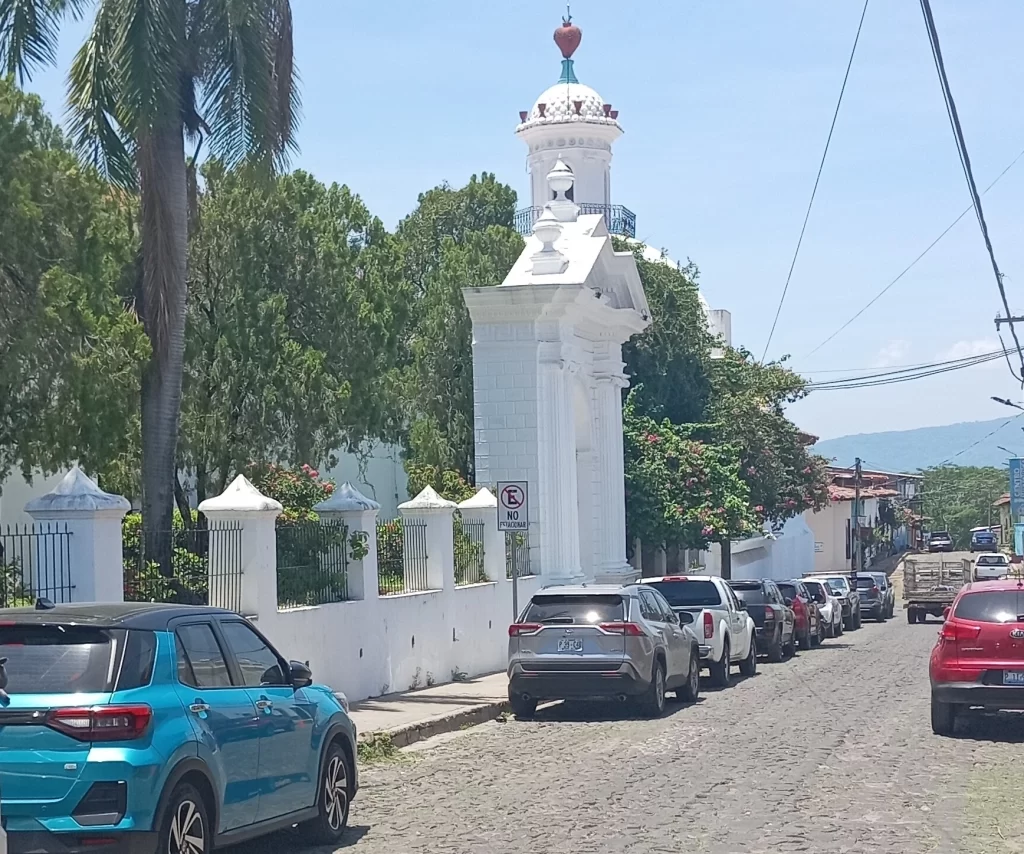
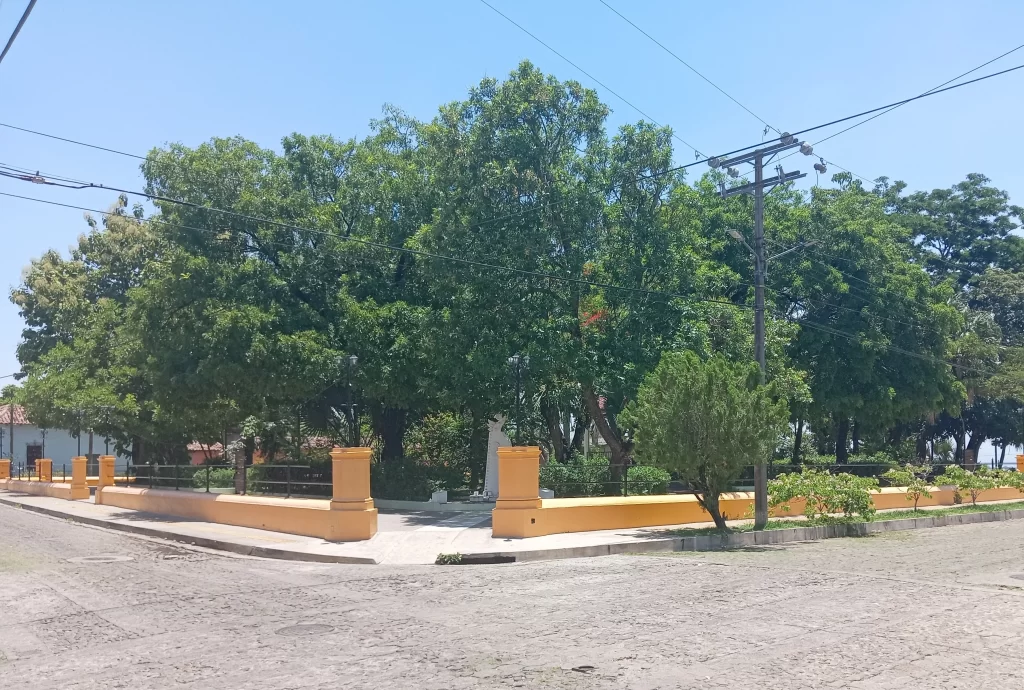
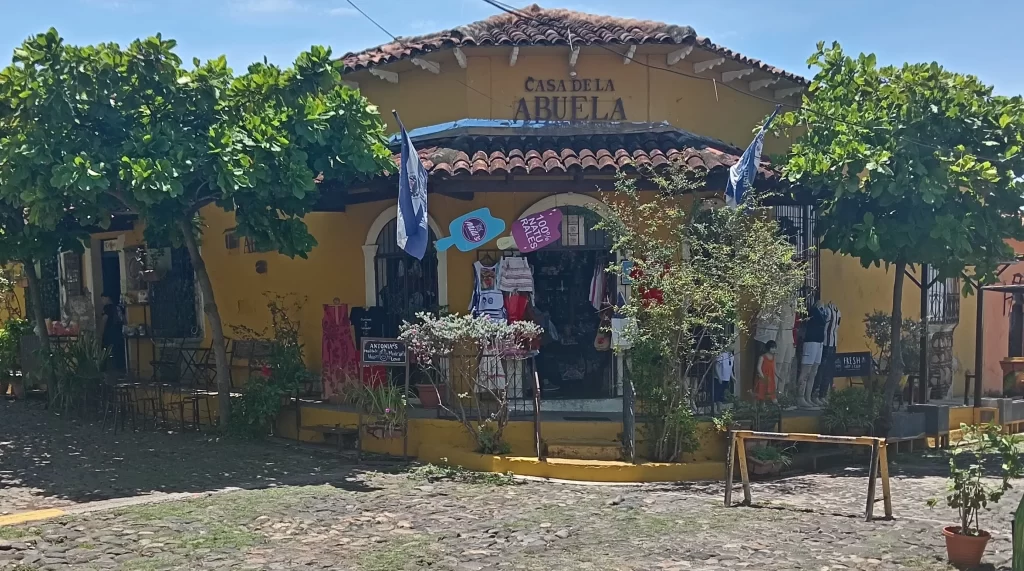
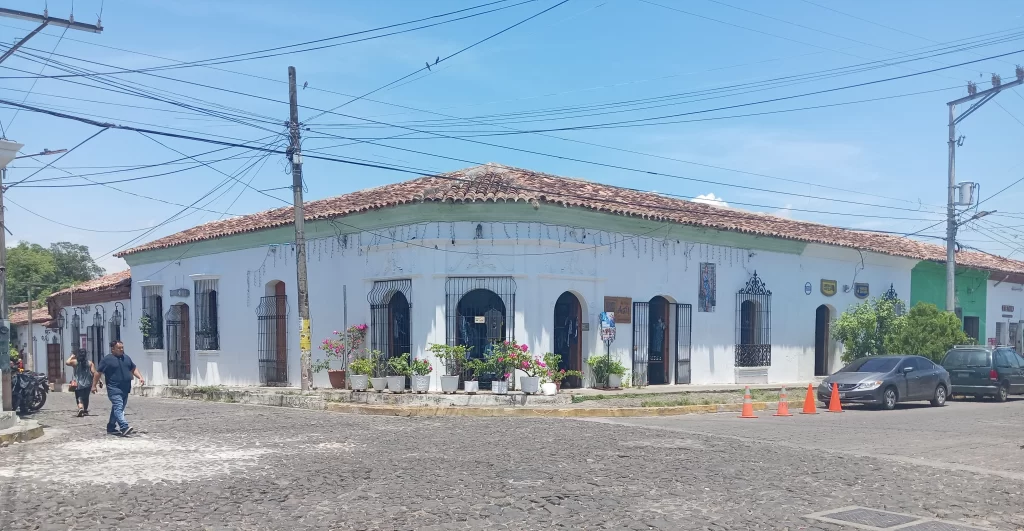
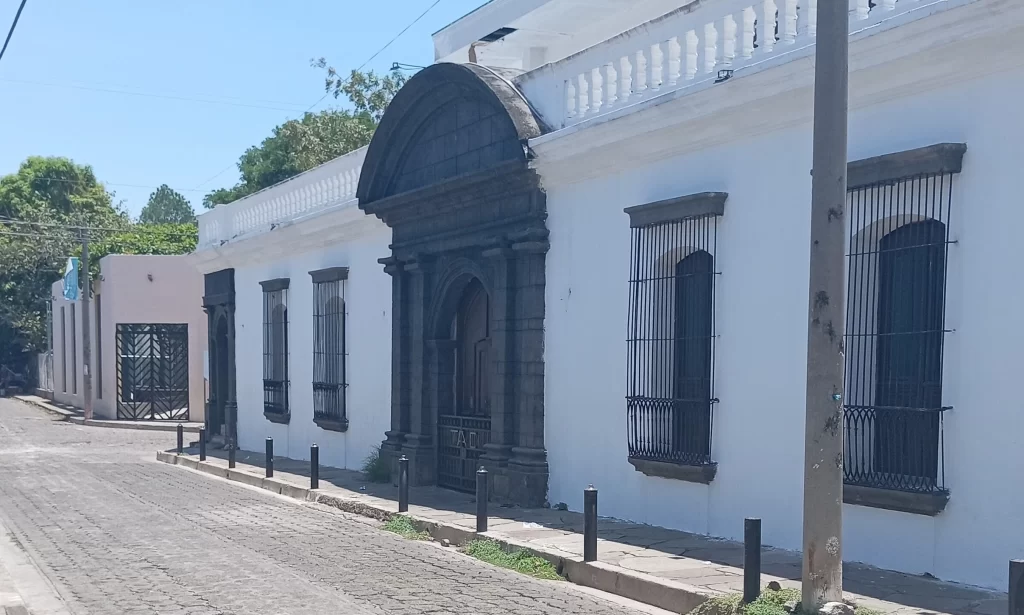
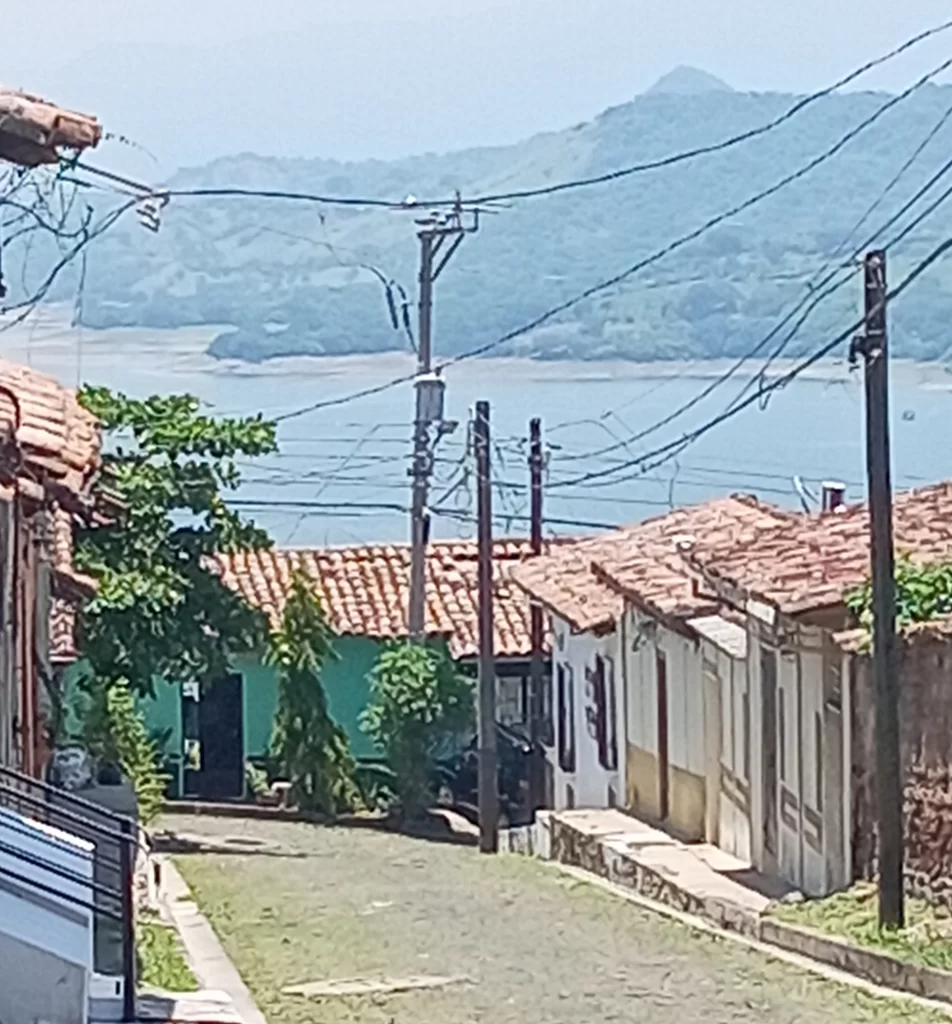
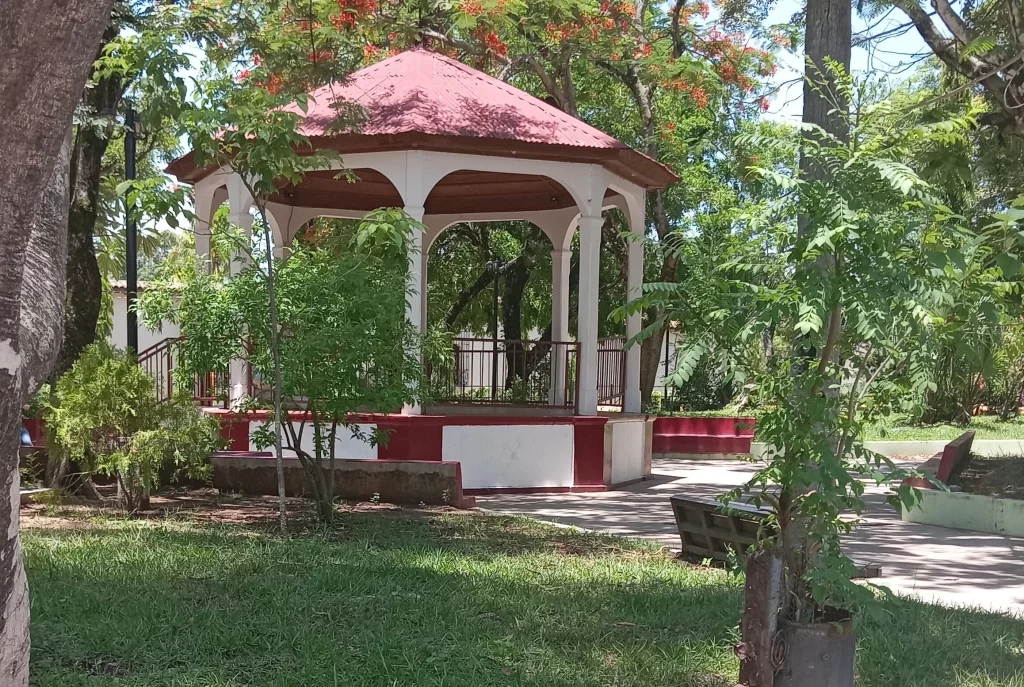
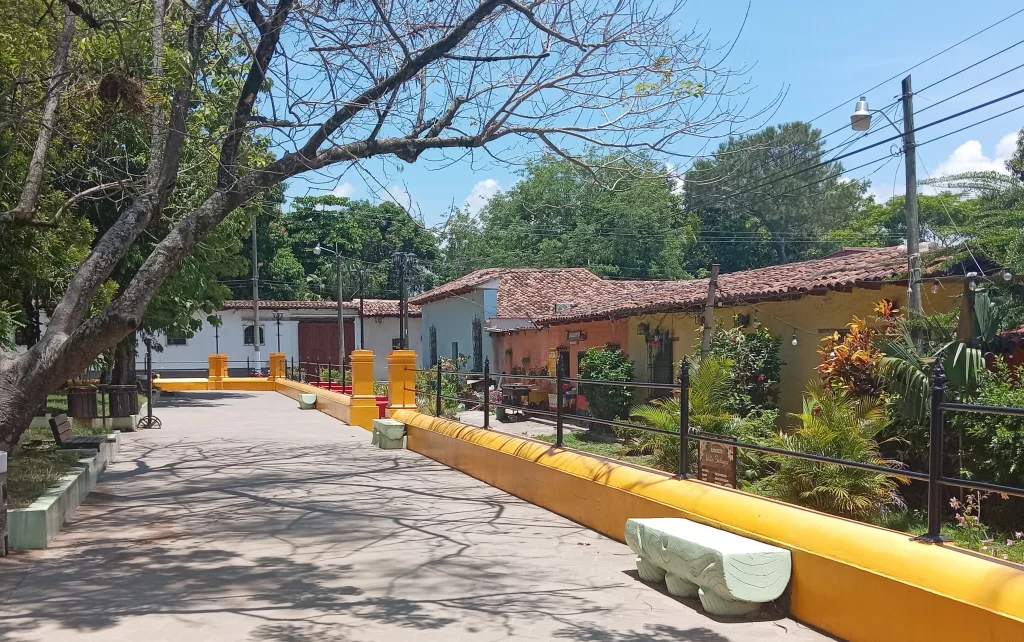
Picture a town where time seems to have stood still: cobblestone streets, adobe houses with red-tiled roofs, and a centuries-old church that has witnessed revolutions, wars, and rebirths. Welcome to Suchitoto, El Salvador’s colonial gem—a place far more captivating than just another pretty destination.
A Town with Soul (and Plenty of Stories)
“Place of the Bird-Flower” (the meaning of Suchitoto in Nahuatl) was founded by the Spanish in 1528, but its true spirit comes from the Pipil people, who lived here long before. During colonial times, the town thrived as a hub for indigo, the “blue gold” that dyed the fabrics of European nobility.
But Suchitoto also bears scars:
It witnessed the rebellion of Anastasio Aquino (1833), the indigenous leader who rose up against oppression.
In 1932, the government massacred thousands of peasants here—a dark chapter still felt today.
During the Civil War (1980–1992), its hills sheltered guerrillas, and its streets became battlegrounds.
Now, instead of gunfire, you’ll hear guitars and poetry: the town pulses with art festivals, indigo workshops, and even an open-air cinema (the only one in El Salvador!).
Suchitoto’s Coffee: Black Gold Among Volcanoes
Did you know the hills around Suchitoto produce some of El Salvador’s finest coffee? Thanks to its altitude (~1,640 ft) and mineral-rich volcanic soil, the coffee here boasts a smooth body with chocolatey notes and a citrusy finish.
Star varieties: Bourbon and Pacamara (a must-try for coffee connoisseurs!).
Historic farms: Some have been family-run for over 100 years and offer tours from harvest to roast.
Coffee with a cause: Ex-combatant cooperatives now grow organic, fair-trade beans, helping heal war wounds.
Fun fact: In the 1800s, Salvadoran coffee was so prized it was exported to the Austrian Emperor’s court—and Suchitoto was part of that trade route!
Lake Suchitlán: A Mirror of History
In the 1970s, the government built a dam for electricity, and—voilà!—Lake Suchitlán was born. Today, it draws tourists (and herons fishing at sunset).
Featured in Harvest of Empire (2012), a documentary linking projects like this to displacement and migration to the U.S.
Was the dam sabotaged? No, but during the war, the FMLN blew up nearby power lines. Now, the lake is pure peace: boat rides, golden sunsets, and fried fish fresh from the water.
Suchitoto Today: A Town That Makes You Stay
Sleep in a colonial mansion (some have courtyard hammocks and stone fountains).
Sip freshly ground coffee on a terrace overlooking the lake.
Learn to make indigo dyes like the Pipil people did.
Listen to elders’ tales of war and ghosts (the legend of El Cadejo is a must!).
Why Should You Visit?
Because it’s not a museum-town—it’s alive. Its streets blend artists, coffee farmers, ex-guerrillas, and kids playing soccer. Its history—harsh yet hopeful—helps you understand El Salvador today. And after tasting its coffee, you might never want to leave.
Ready for the trip? In Suchitoto, every corner has a story to tell… and a hot cup of coffee waiting.