Colonial Era (16th–18th Century)
1545 – Following the third and final relocation of San Salvador, the Main Plaza (now Plaza Gerardo Barrios) was established as the civic and religious heart of the city, following Spanish urban design principles.
1566 – The Santo Domingo Convent was relocated near the plaza, reinforcing its role as a religious and educational center during colonial times. The Dominican friars played a key role in evangelization and teaching.
19th Century: Independence and Republic
1869 – Under President Francisco Dueñas, the Central Park (future Plaza Gerardo Barrios) was formally inaugurated with symmetrical gardens and European-style fountains, reflecting the modernization efforts of the era.
1880 – After the 1873 earthquake destroyed the first cathedral, the second Cathedral of San Salvador was built facing the plaza. This neoclassical-style church served as the episcopal seat until its demolition in 1956.
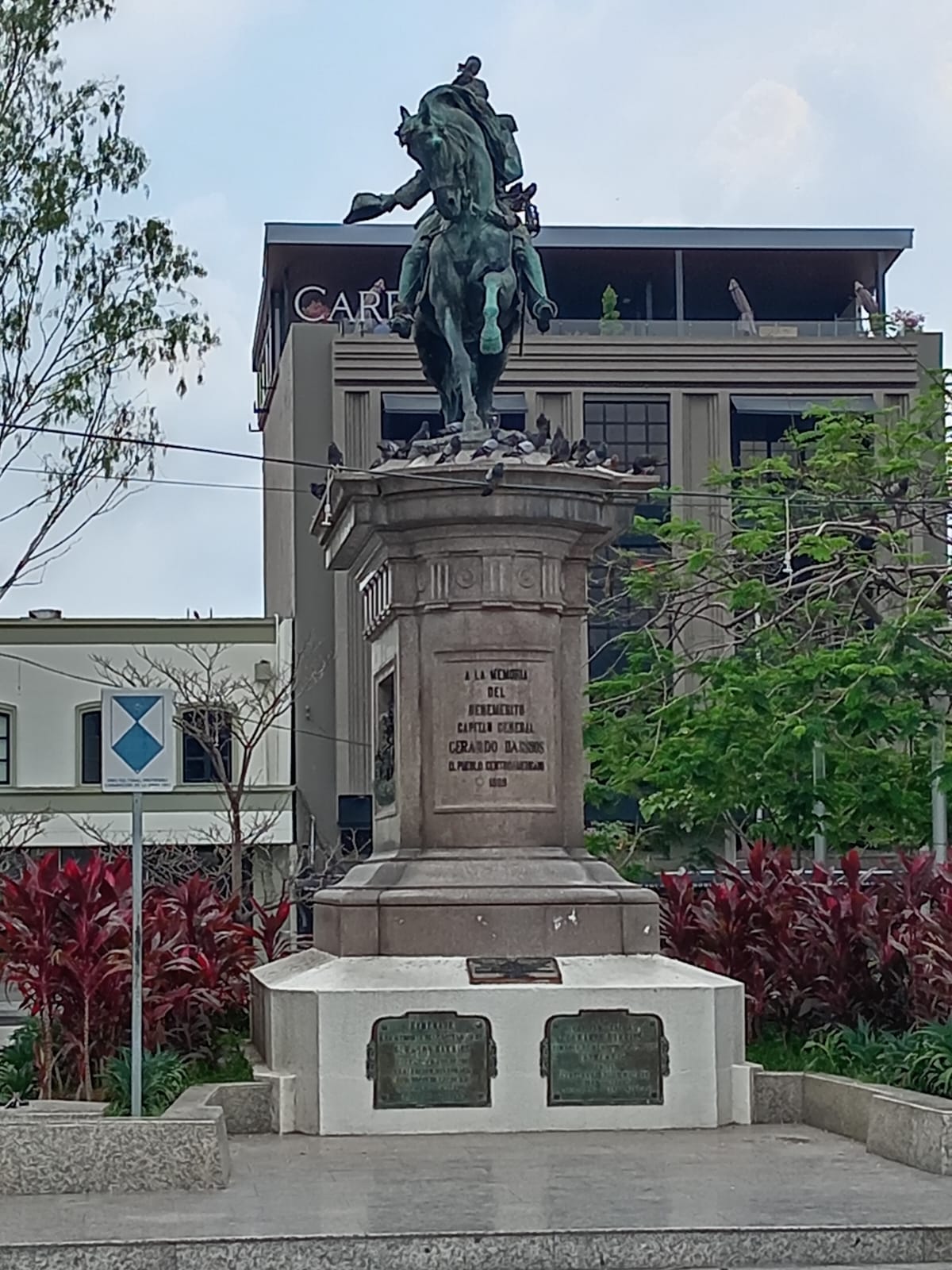
1881 – The plaza was officially renamed Plaza Gerardo Barrios in honor of the liberal president (1859–1863), whose progressive reforms and execution in 1865 made him a symbol of resistance against conservatism.
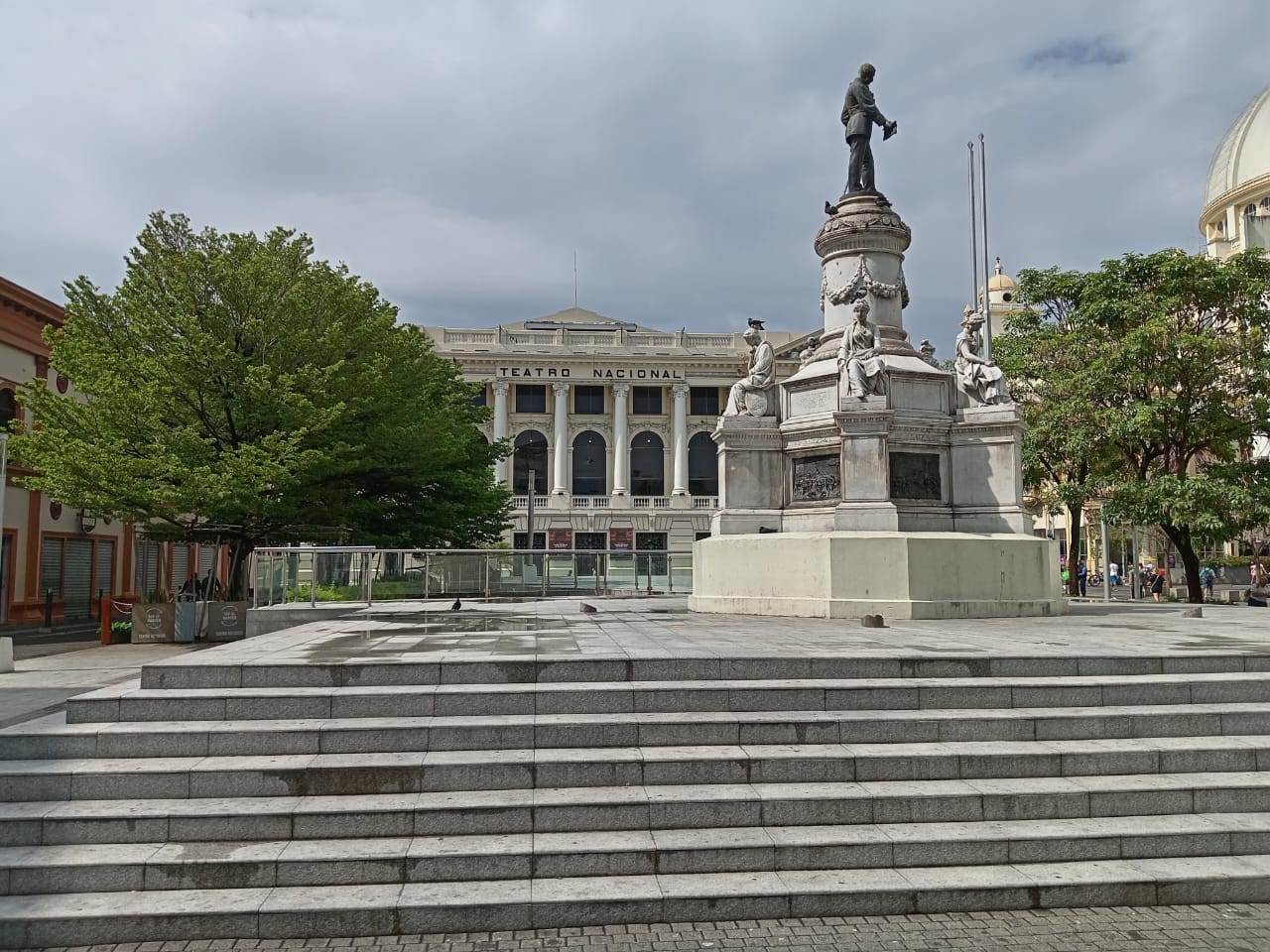
1889 – The Monument to the Proponents of Independence, created by Italian sculptor Francisco Durini, was erected at the center of the plaza. This obelisk commemorates the signers of the 1821 Act of Independence.
20th Century: Dictatorships and Protests
1913 – On February 4, President Manuel Enrique Araujo was assassinated with machetes in nearby Bolívar Park. His death, linked to political tensions, marked the beginning of an era of instability.
1944 – The plaza became a focal point for protests against the dictatorship of Maximiliano Hernández Martínez. On May 9, after the “Arms Down Strike,” soldiers fired on demonstrators, hastening the regime’s downfall.
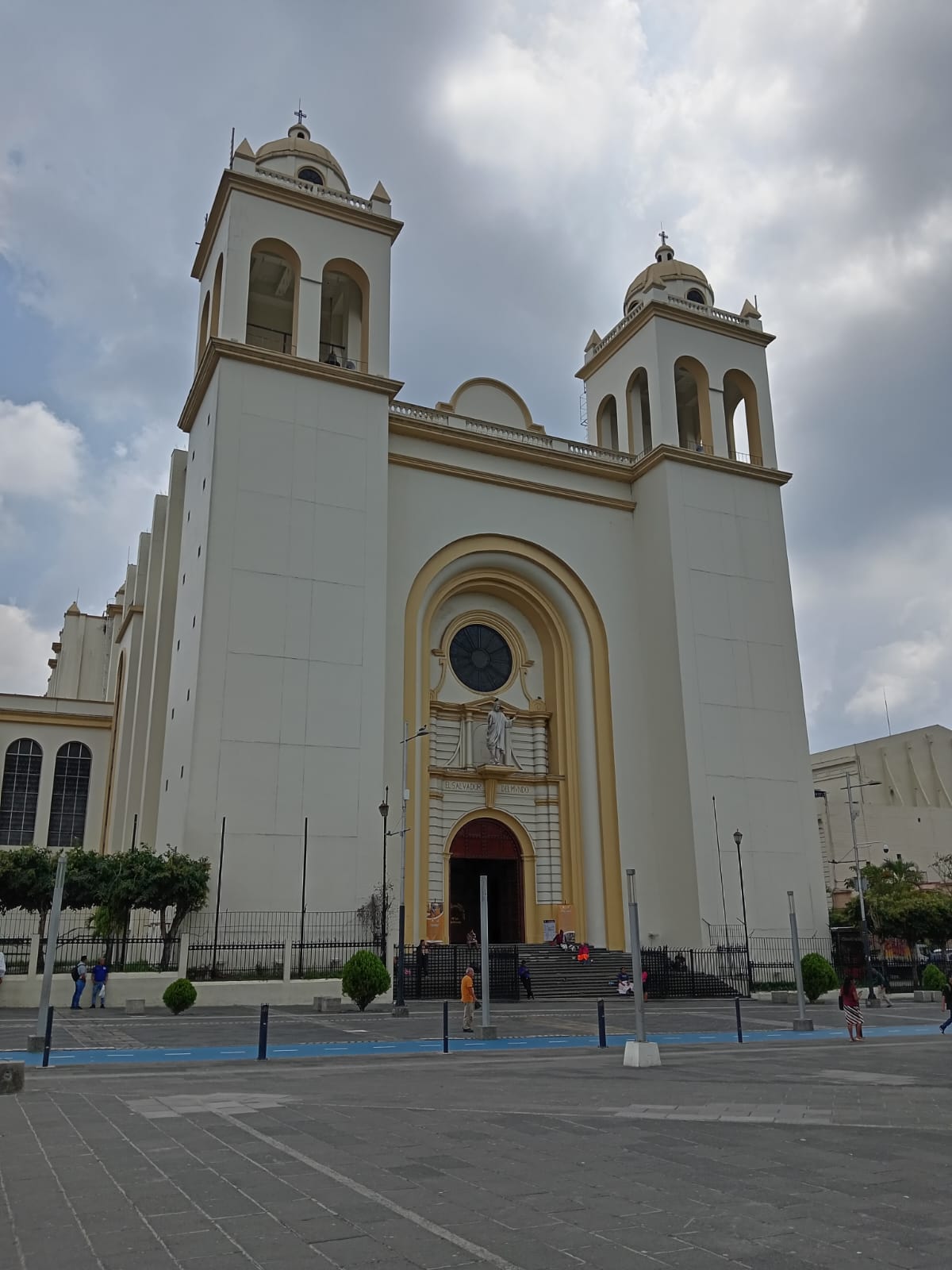
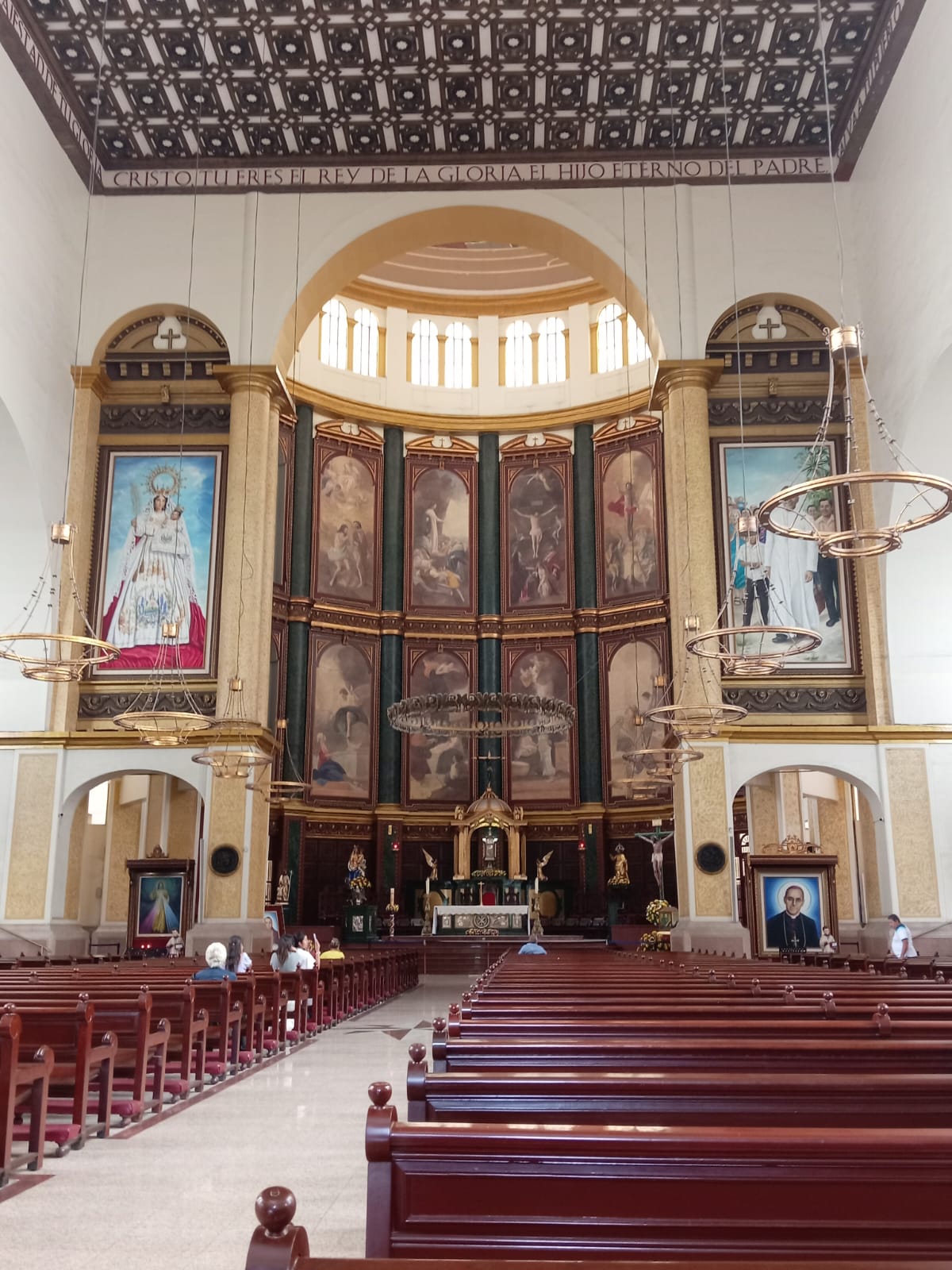
1956 – The second Cathedral was demolished to make way for the current Metropolitan Cathedral, featuring a modern design that reflected the city’s architectural transformation.
21st Century: Memory and Renewal
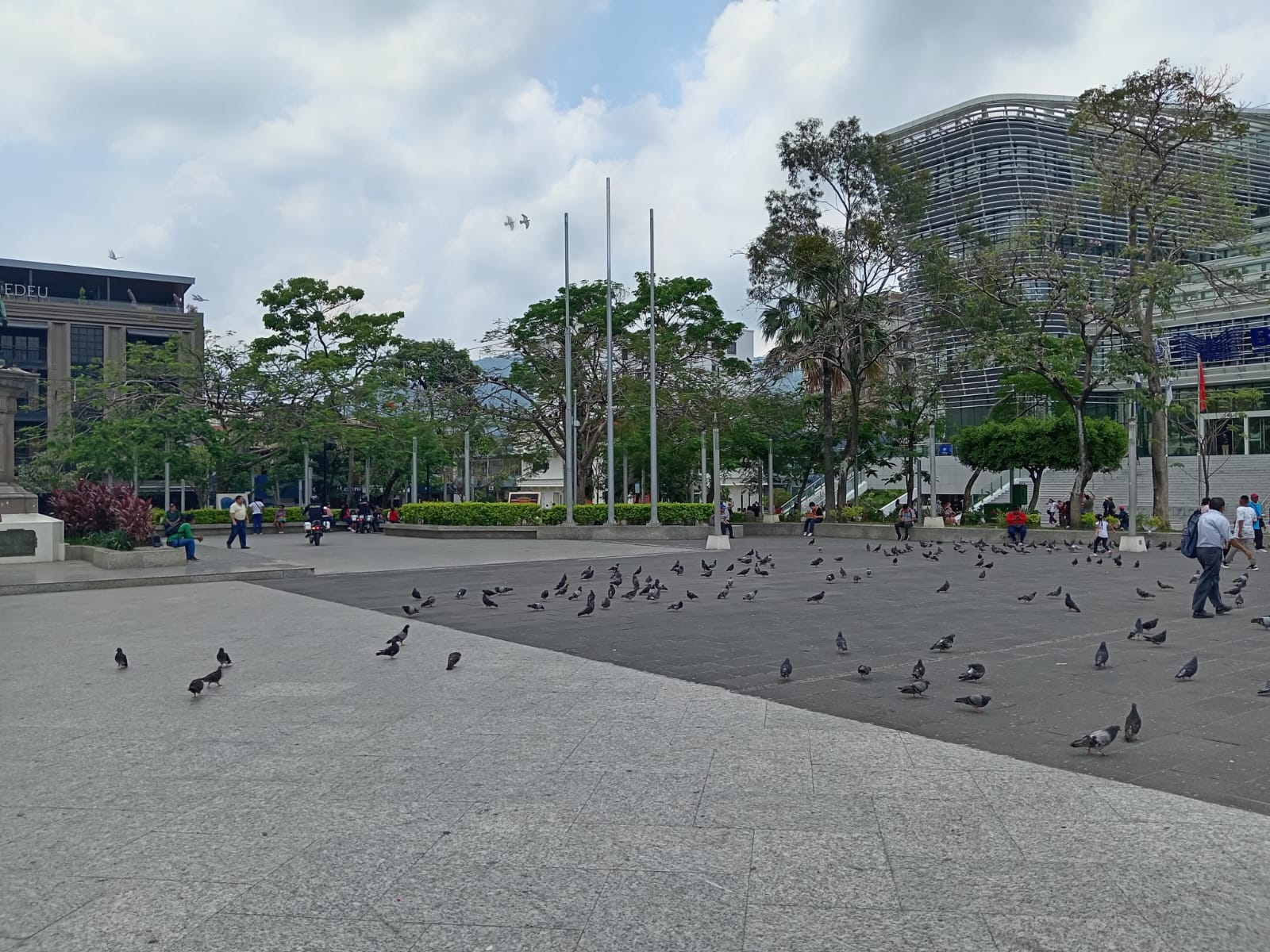
2008 – The plaza underwent remodeling with a contemporary design while preserving its historical essence. Improvements included green spaces, new benches, and lighting.
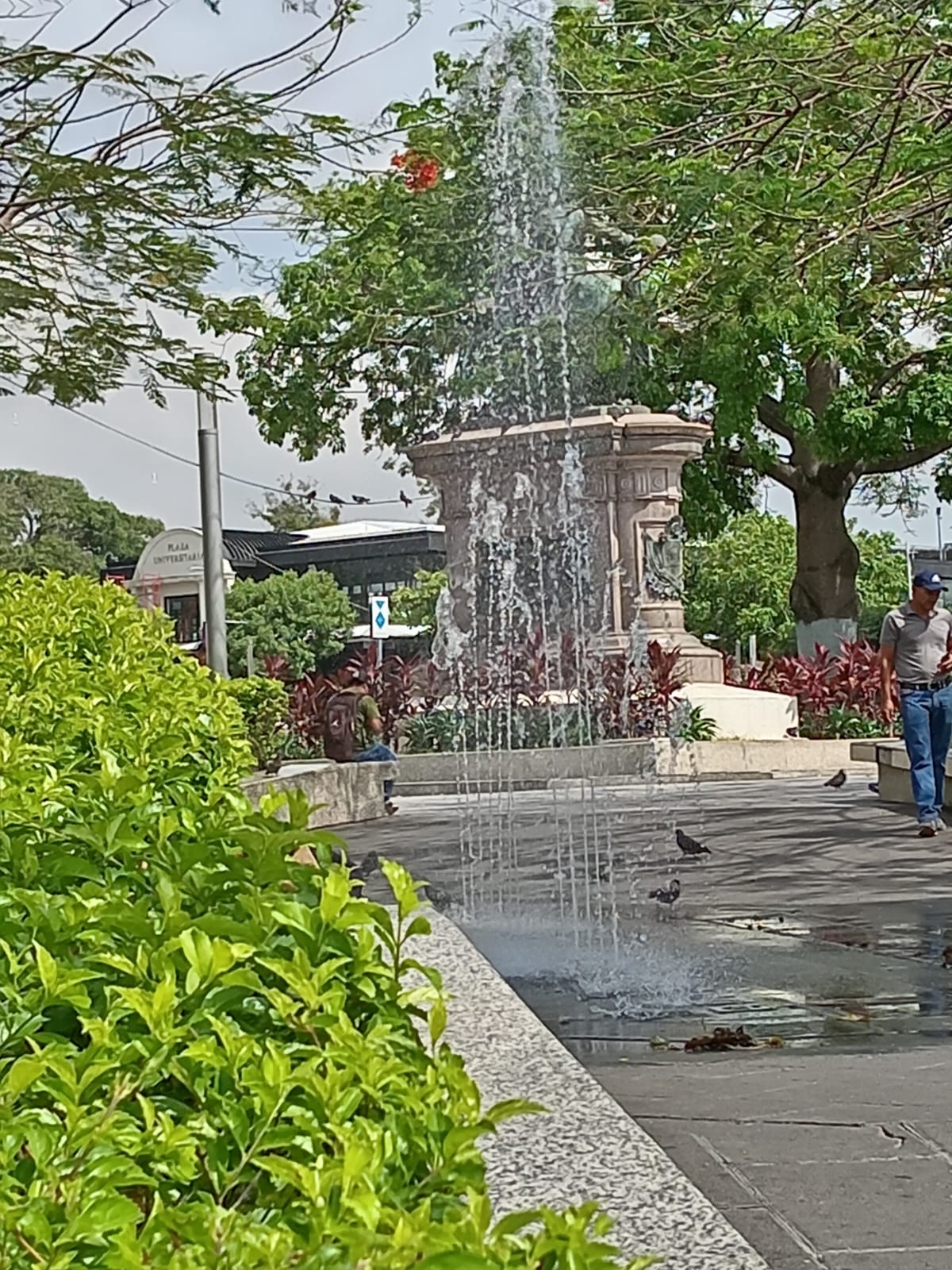
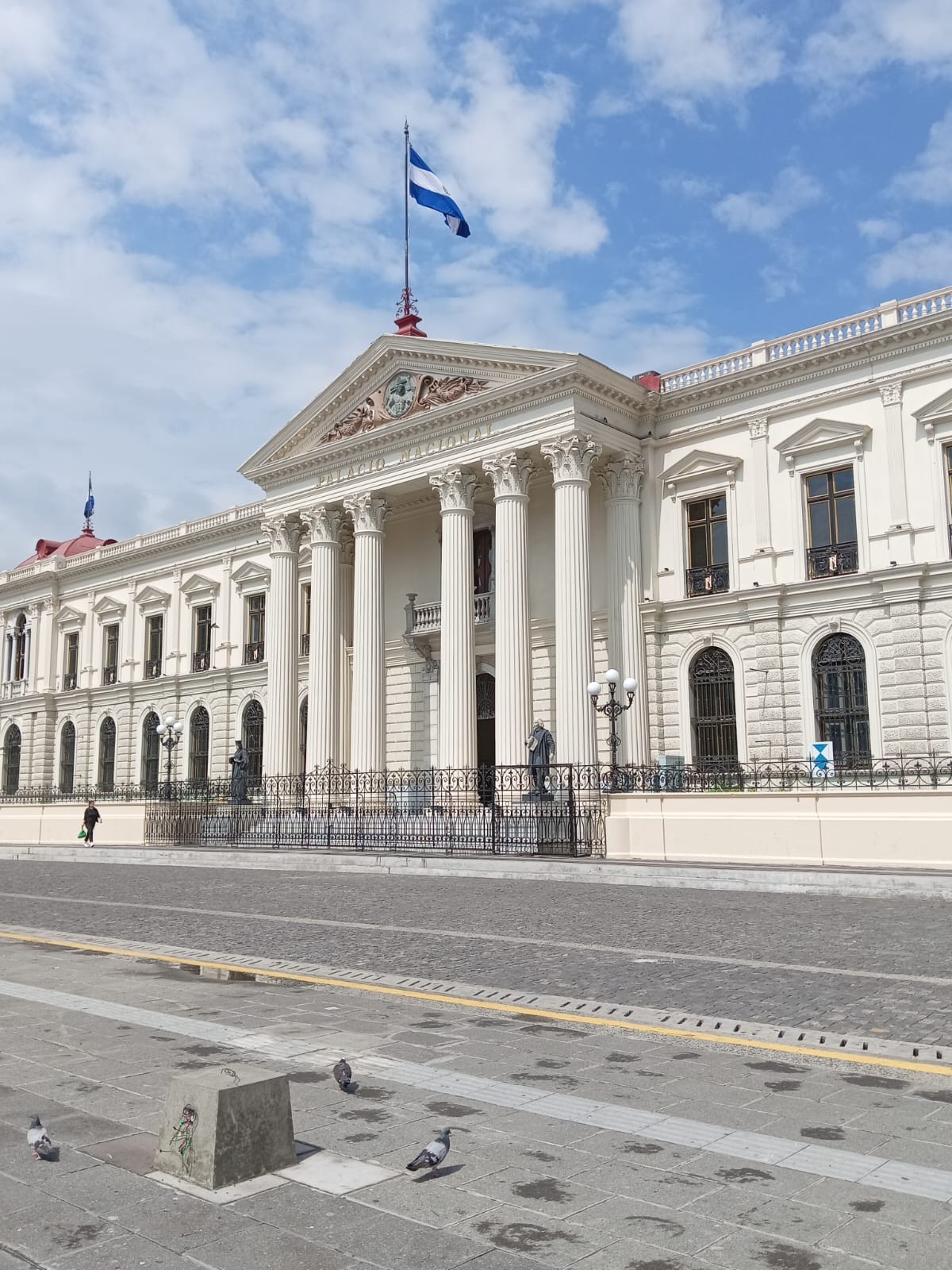
Present Day – It remains a vital space for cultural events and civic commemorations, such as Independence Day celebrations. Surrounding landmarks include the National Theatre and the National Palace.
Historic Center of San Salvador: A Reborn Cultural & Family Hub
El Salvador’s Historic Center has undergone a remarkable transformation, evolving into a vibrant, safe, and welcoming space where families, locals, and tourists alike can now enjoy its rich cultural heritage and modern attractions at any time of day. This revival symbolizes the profound change in the lives of Salvadorans, reflecting a nation that embraces peace, progress, and pride in its identity.
A Safe and Lively Destination
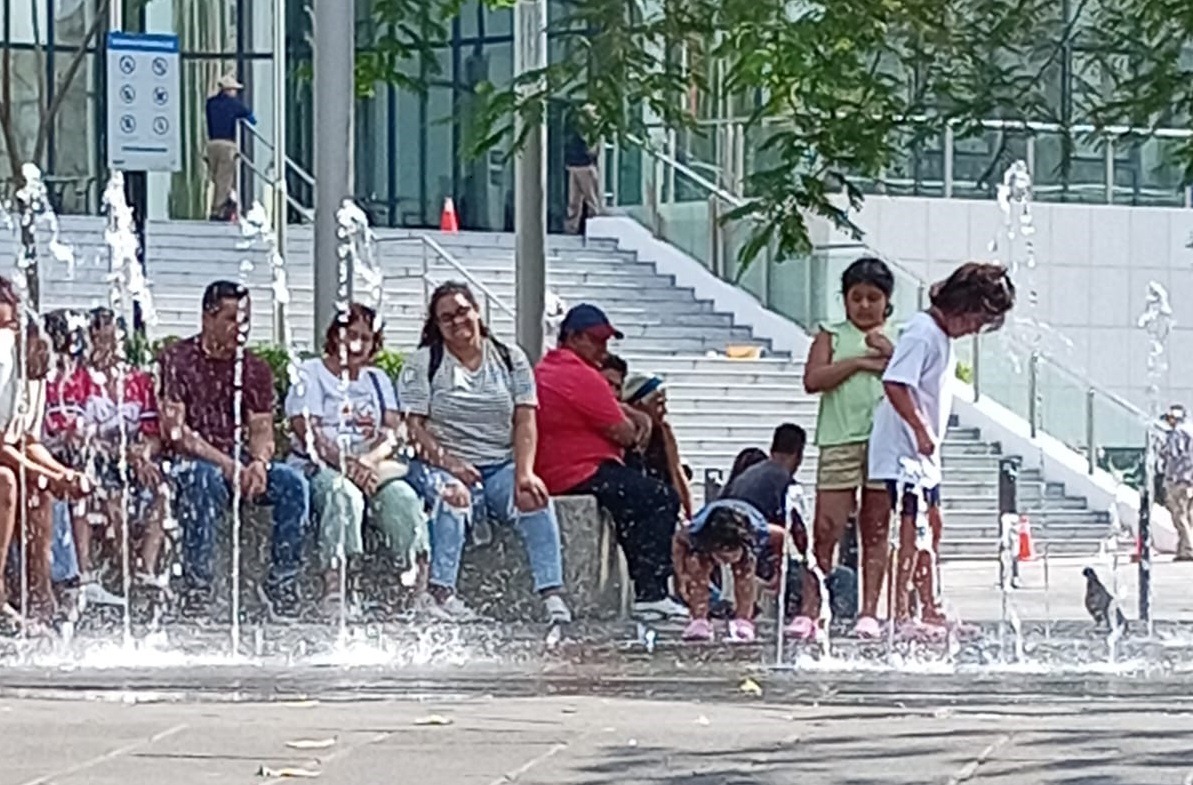
Once overlooked, the Historic Center is now a shining example of urban renewal. With enhanced security and beautification projects, the area buzzes with activity—children playing in plazas, couples strolling past colonial-era landmarks, and visitors soaking in the blend of history and modernity. The government’s efforts to revitalize the heart of San Salvador have turned it into a symbol of national renewal.
Cultural & Architectural Gems
Key attractions showcase El Salvador’s legacy and its forward-looking spirit:
- The National Palace: A stunning historical landmark offering guided tours through its ornate halls.
- National Theatre: Restored to its 19th-century grandeur, hosting concerts, plays, and cultural events.
- Metropolitan Cathedral: A spiritual and architectural icon, where visitors admire its towering façade and stained glass.
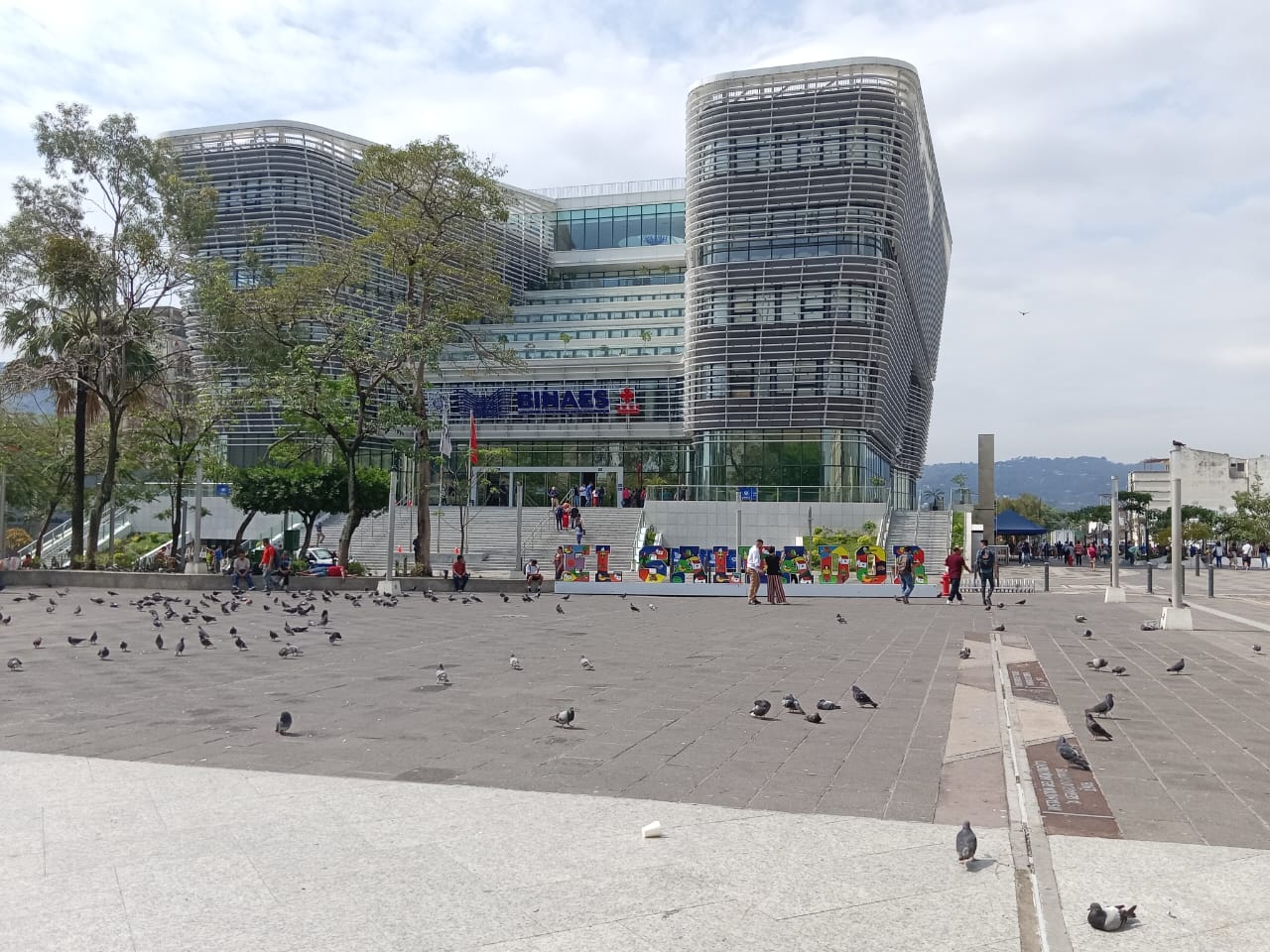
- National Library: A hub for education and literary events, attracting students and researchers.
Modern Amenities & Family Fun
New additions cater to all ages and interests:
- Revitalized plazas like Plaza Gerardo Barrios and Plaza Libertad, perfect for leisurely afternoons.
- Trendy cafés and restaurants serving local flavors and international cuisine.
- Upcoming cinemas and entertainment centers, adding to the area’s lively atmosphere.
- Regular cultural events, from open-air concerts to art exhibitions, fostering community spirit.
A Symbol of Change
The Historic Center’s rebirth mirrors El Salvador’s broader transformation. Families now gather without fear, tourists explore with curiosity, and the streets pulse with a renewed sense of pride. It’s no longer just a relic of the past but a dynamic space where history meets progress—a true testament to the country’s journey toward peace and prosperity.
Visit and Experience the Change!
Whether you’re admiring colonial architecture, enjoying a coffee in a sunlit plaza, or attending a theater performance, the Historic Center invites you to be part of El Salvador’s inspiring new chapter.